Project BHOJANAM: crowdsourcing smarter cereal packaging for a plastic-free breakfast
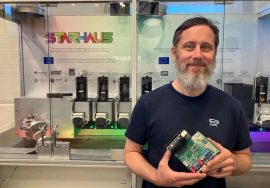
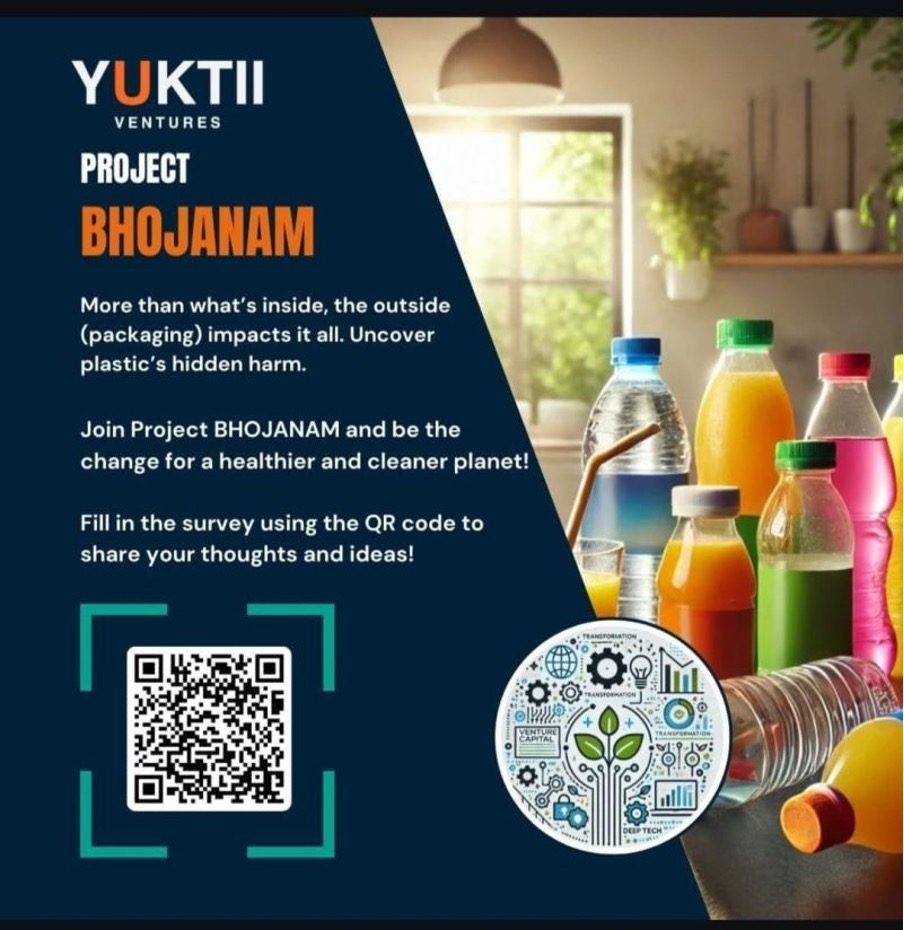
Every morning, millions of Europeans tear open plastic film or peel back multilayer pouches to pour a bowl of cereal—but rarely stop to think about what happens to that packaging once the last flake is gone. Project BHOJANAM, an EU-backed community-science initiative run by YUKTII Ventures under the wider STARHAUS programme, wants to change that mindset by turning consumers themselves into researchers and designers. The team has launched an open survey that asks people to photograph the cereal and breakfast packages they use, show how they dispose of them, and share ideas for better solutions. In return, participants help build a data set that could shape the next generation of healthy, low-impact food packaging. LinkedIn
Why breakfast plastics matter
Plastic is ubiquitous because it is light, cheap and keeps food crisp—but it is rarely recycled. Globally, packaging accounts for more than a quarter of all plastic produced, and breakfast foods are a hotspot: life-cycle studies show that for cereals the box liner and secondary wraps can contribute up to 35 % of the product’s entire carbon footprint. Prime Minister’s Chief Science Advisor Worse, scientists are increasingly finding microscopic plastic fragments in both food and human tissues, raising concerns about long-term health effects. Project BHOJANAM’s earlier desk research, carried out with STARHAUS, highlighted consumer worries about microplastics and chemical leaching from cereal pouches. LinkedIn
From snapshots to systemic insight
The survey at the heart of Project BHOJANAM goes beyond multiple-choice questions. Respondents are asked to upload two photos:
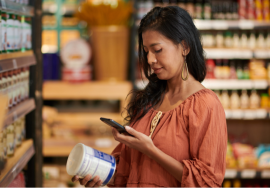
- The front or back of a cereal or other breakfast package—capturing materials, labelling and branding;
- Their usual disposal or recycling method—whether the plastic ends up in a segregated bin, a general-waste bag, or a creative reuse hack such as DIY seed starters.
These geotagged images feed an AI-powered analytics engine that can spot regional patterns (for example, whether compostable inner bags are more common in southern Europe) and correlate them with disposal habits. The same engine will cross-reference bar-codes with emerging Digital Product Passport databases so the team can estimate the embedded carbon and plastic content of each package. Insights will be published as open dashboards for local authorities, brands and packaging designers.
Education by design
Data collection is only half the story. Building on the digital-storytelling workshops already piloted in schools under STARHAUS, Project BHOJANAM plans to convert the most striking survey photos into interactive teaching modules: think augmented-reality overlays that reveal how long a pouch takes to break down, or a slider that compares the carbon footprint of virgin-plastic film with a paper-based alternative. For teenagers who have tried STARHAUS’s AR cereal boxes, the new modules will extend the experience from ingredient choices to end-of-life impacts—making the entire food journey visible, tangible and, above all, actionable. LinkedIn
What will success look like?
- Community benchmarks. Within six months, the project aims to map at least 5 000 real-world disposal scenarios across diverse urban and rural districts, creating the first EU-level atlas of breakfast-packaging practices.
- Design briefs for industry. Patterns detected by the AI system—say, frequent landfill disposal of multilayer film even in regions with good recycling—will be translated into briefs that food manufacturers can use when phasing in mono-material or compostable liners.
- Policy nudges. If citizen photos reveal that the on-pack recycling symbols are widely misunderstood, regulators could tighten eco-labelling rules or mandate clearer collection instructions.
- Behavioural shifts. The project will track whether participants alter their own buying habits three months after submitting their photos, providing rare longitudinal evidence of education-driven behaviour change.
How to take part
Participating is simple:
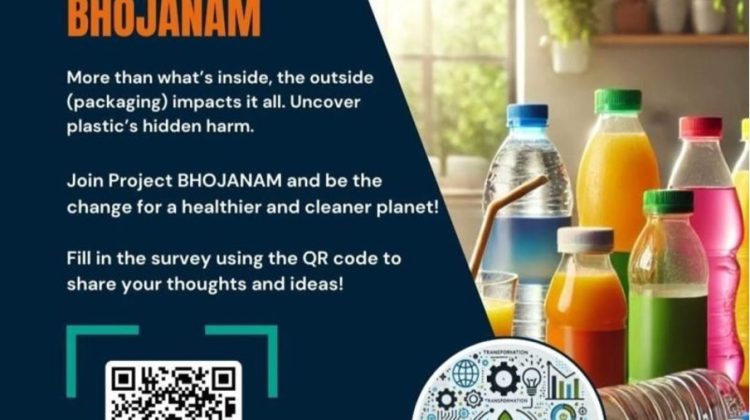
- Scan the QR code on the official poster or visit the project link shared on social media.
- Fill in the short questionnaire (≈ 5 minutes).
- Upload two images—one of the cereal or breakfast package, one of how you dispose of it. Standard smartphone photos are fine.
- Share any tips or frustrations you have about recycling breakfast plastics.
All submissions are anonymised, and aggregated results will be released under a Creative Commons licence so that schools, NGOs and innovators can remix the material.
Small actions, big breakfast impact
If breakfast really is the most important meal of the day, it is also an untapped lever for environmental action. By crowdsourcing evidence and creativity from the very people who open, empty and throw away cereal packs each morning, Project BHOJANAM turns casual routines into collective problem-solving. So before you crumple tomorrow’s cereal liner, grab a quick photo and add your voice to a growing movement for packaging that nourishes both people and planet. Together, we can ensure that the only crunch we hear at breakfast is from the flakes—not from yet another piece of single-use plastic underfoot.